Mineral Brick / Khanij Itta
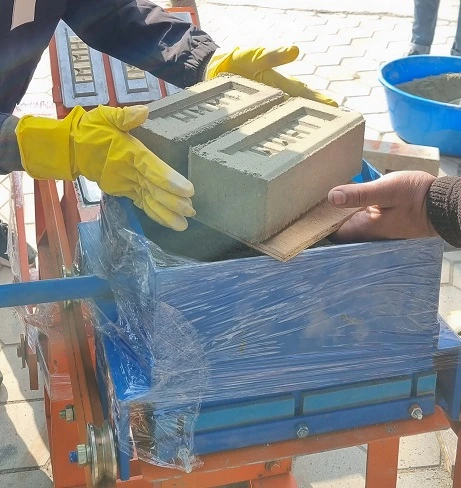
Mineral bricks are also known as Mineral blocks. They are a type of building material made from natural minerals and other raw materials. They are known for their durability, energy efficiency, and environmental benefits.
One of the main advantages of mineral bricks is their durability. They are made from natural minerals such as clay, sand, and shale, which are resistant to weathering, fire, and pests. This makes them ideal for use in the construction of buildings, homes, and other structures that need to withstand harsh conditions. They also have a very long lifespan, reducing the need for maintenance and replacement.

Another benefit of mineral bricks is their energy efficiency. They have a high thermal mass, which means they can store heat and release it slowly. This helps to regulate indoor temperatures, reducing the need for heating and cooling systems. This can help to lower energy costs and reduce carbon emissions.
Mineral bricks are also environmentally friendly. They are made from natural materials that are abundant and renewable. They also do not release harmful chemicals or pollutants into the air. Moreover, they are recyclable and biodegradable after their lifecycle, which helps to reduce waste and preserve natural resources.
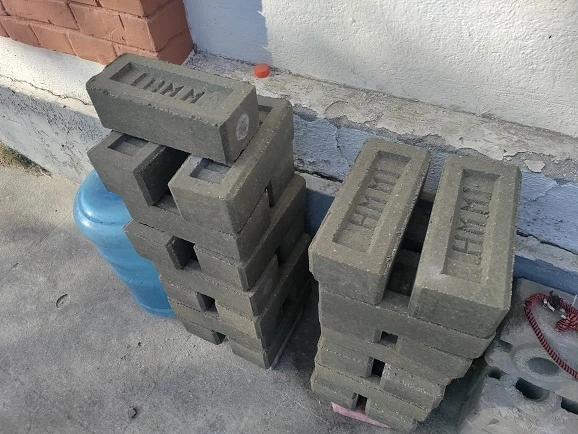
Mineral bricks come in a variety of colors, sizes and shapes, which makes them versatile and easy to work with. They can be used for a wide range of construction projects, including residential and commercial buildings, roads, and bridges. They are also suitable for use in the construction of historical buildings and monuments, as they are resistant to weathering and erosion.
Mineral bricks are a durable, energy-efficient and environmentally friendly building material. They are made from natural minerals and other raw materials, which are abundant and renewable. They are also recyclable and biodegradable. They are suitable for a wide range of construction projects and can help to reduce energy costs and carbon emissions. They are becoming an increasingly popular choice among builders and architects for their sustainability and cost-effectiveness.